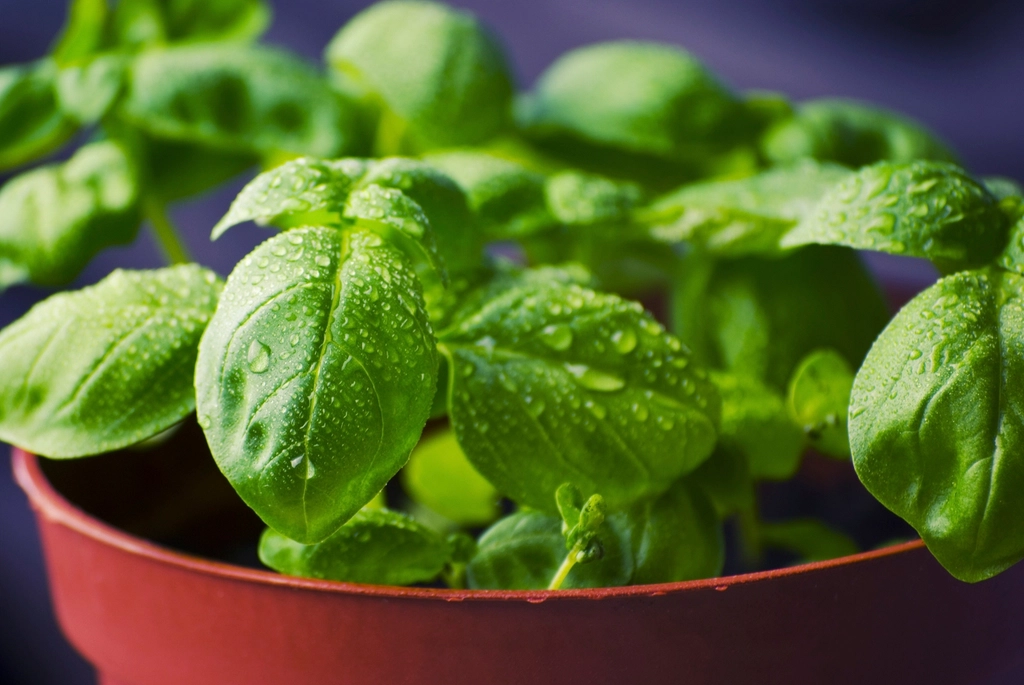
Thyme’s leaves are small, but they punch well above their weight — both in flavor and in the history books. Ancient Egyptians used thyme in embalming, Greek soldiers bathed in thyme-infused water for courage, and today it’s one of the most studied culinary herbs for its antimicrobial power.
A Small Leaf With Big Chemistry
Thyme is rich in vitamin C, vitamin A, and iron for its size, but its real claim to fame is thymol, an essential oil compound with well-documented antiseptic and antimicrobial properties — it’s actually used as an active ingredient in some commercial mouthwashes and hand sanitizers.
What Thyme Brings to the Table
- Respiratory Relief: Thyme has a long history of use for coughs and bronchitis, and some clinical research supports thyme extract (often combined with ivy leaf) for easing cough symptoms.
- Antimicrobial Power: Thymol has demonstrated antibacterial and antifungal activity in lab studies, which is part of why thyme has traditionally been used to help preserve food.
- Immune Support: Thyme’s antioxidant and antimicrobial compounds have traditionally been used to support the body during colds and minor infections.
- Oral Health: Thymol’s antiseptic properties are why it appears in dental products — thyme tea or diluted essential oil has traditionally been used as a mouth rinse.
- Mood and Stress: Some early research suggests thyme’s aroma may have mild mood-lifting effects, though this area is less studied than its antimicrobial benefits.
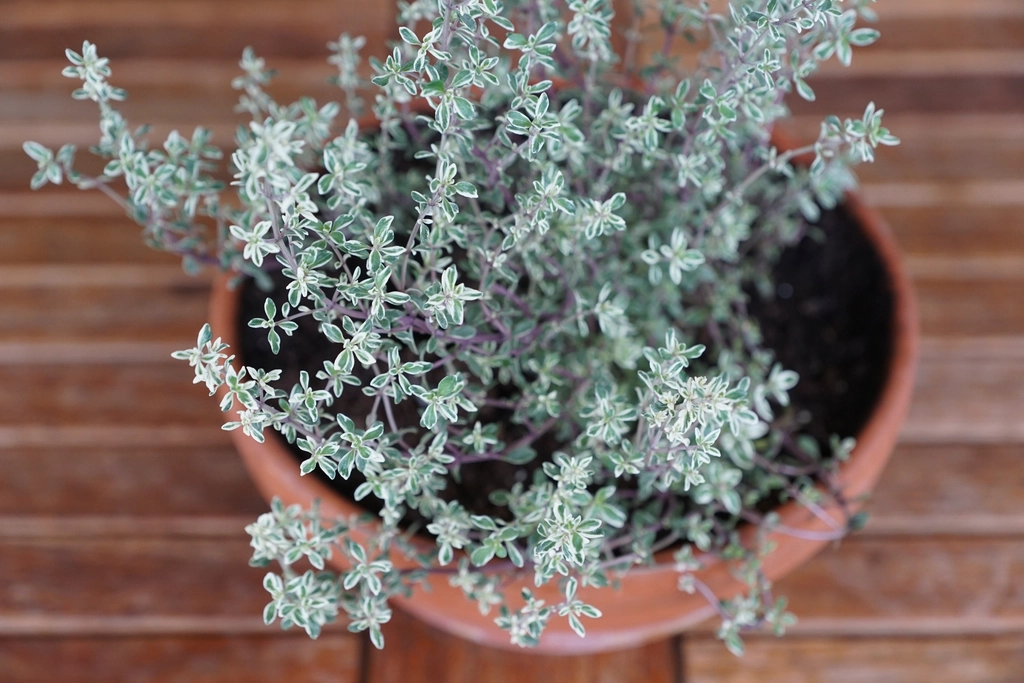
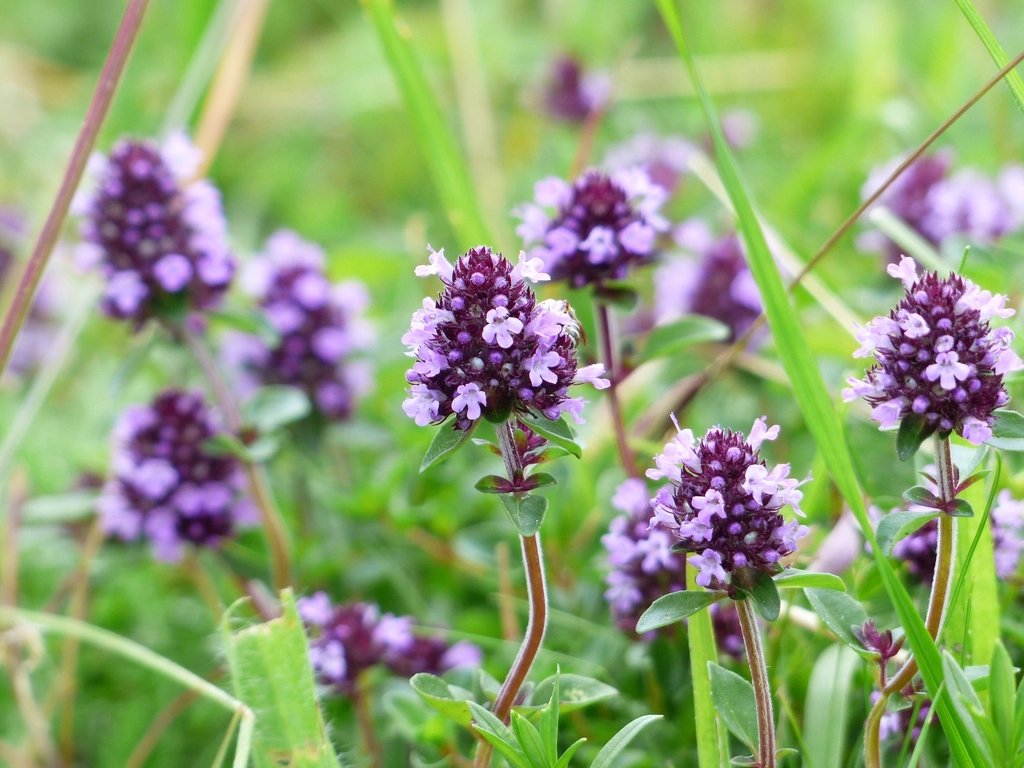
Ways to use thyme:
- Slow-Cooked Dishes: Thyme holds up well to long cooking times, making it ideal for soups, stews, and braises where its flavor can fully infuse.
- Thyme Tea: Steep fresh or dried thyme in hot water for a traditional remedy for coughs and sore throats.
- Roasted Vegetables and Meats: A few sprigs of fresh thyme add an earthy depth to roasted potatoes, chicken, and root vegetables.
- Herbal Steam: Adding thyme to a bowl of hot water for a facial steam is a traditional approach to easing congestion.
Important Precautions
Thyme is safe in normal culinary amounts, but thyme essential oil is highly concentrated and should never be taken internally undiluted — it can be toxic in large amounts and should always be diluted before any topical use. Pregnant women should avoid medicinal doses of thyme, and anyone with a thyroid condition should check with a doctor before regular use, as some evidence suggests thyme may affect thyroid function. As always, consult a healthcare provider before using thyme therapeutically.