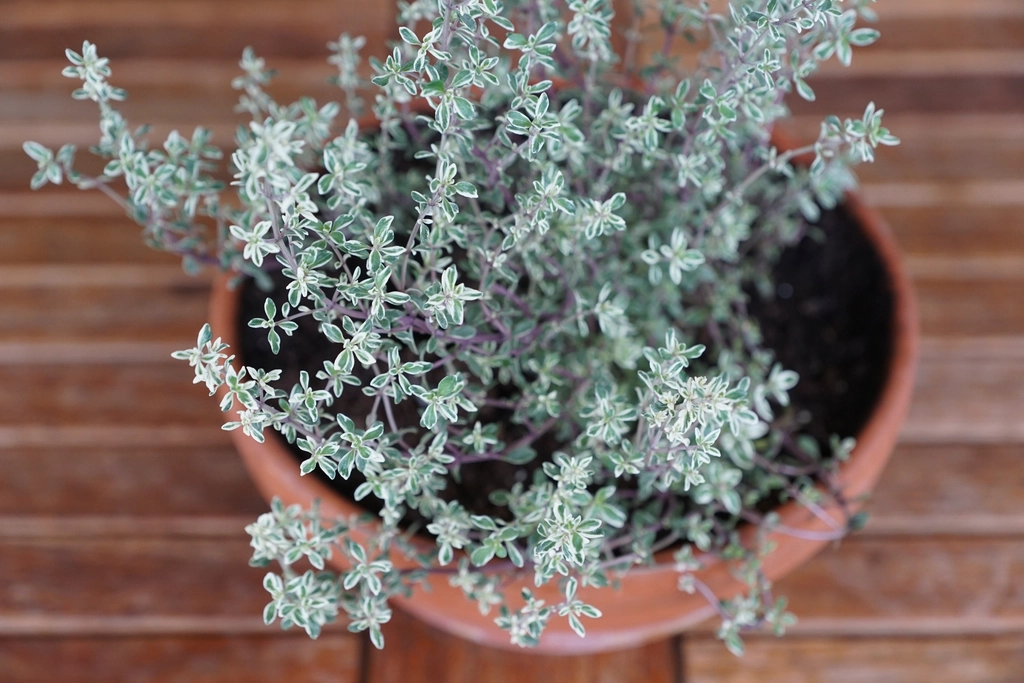
Basil might be best known as the backbone of pesto and the finishing touch on a Margherita pizza, but this fragrant member of the mint family has been used medicinally across Mediterranean, Ayurvedic, and Southeast Asian traditions for centuries.
A Nutrient-Rich Leaf
Fresh basil is a good source of vitamin K, which supports blood clotting and bone health, along with vitamin A, manganese, and a range of antioxidants, including flavonoids that help protect cells from oxidative damage.
The Benefits Behind the Flavor
- Anti-Inflammatory Support: Basil contains compounds like eugenol, which have been studied for their ability to help reduce inflammation in the body, similar in mechanism to some over-the-counter anti-inflammatory medications.
- Blood Sugar Balance: Some studies suggest basil may help support healthy blood sugar levels, particularly holy basil (a related but distinct variety used heavily in Ayurvedic medicine).
- Stress Support: Basil has traditionally been considered an adaptogen — a substance believed to help the body manage stress — a reputation especially associated with holy basil (tulsi).
- Antibacterial Properties: The essential oils in basil have shown antibacterial activity against several common strains of bacteria in lab studies.
- Eye Health: Basil contains beta-carotene, an antioxidant that supports eye health and may help protect against age-related vision decline.
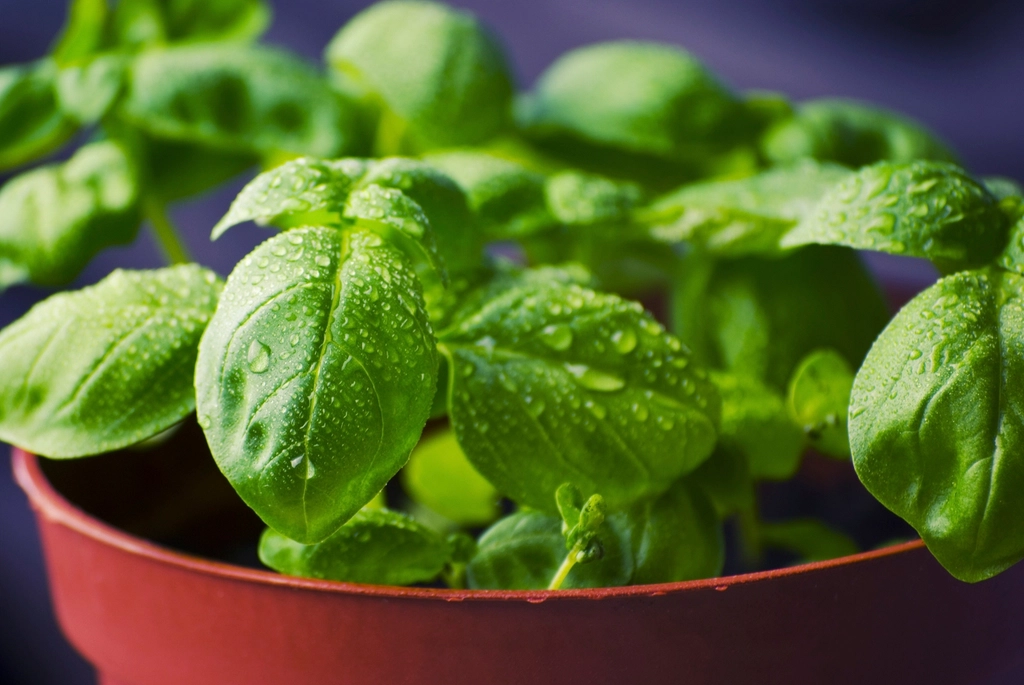
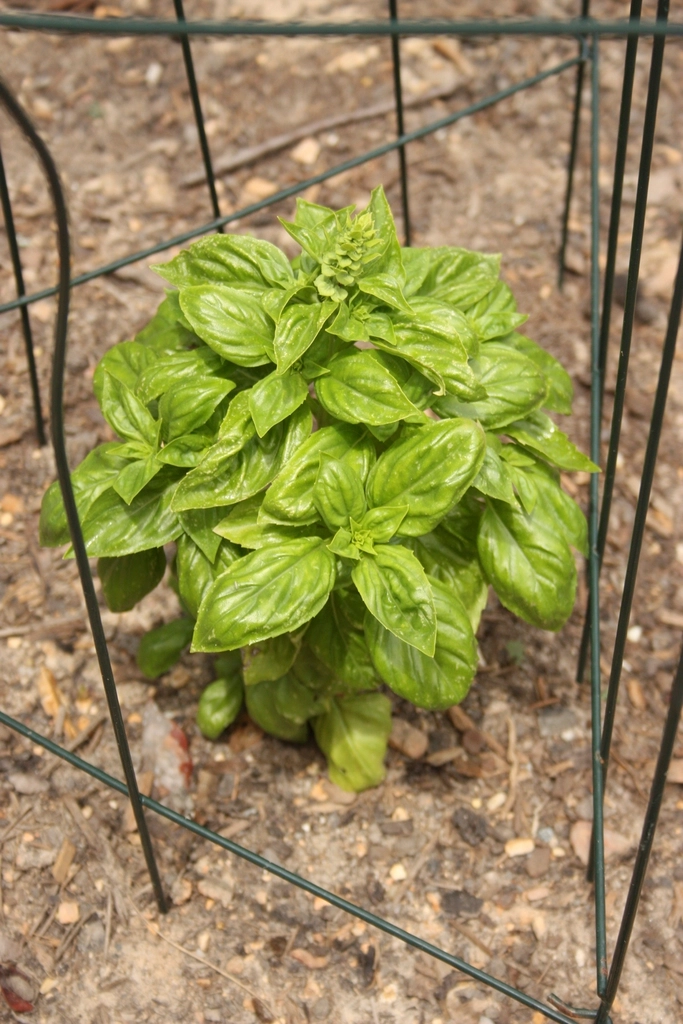
Ways to bring basil into your kitchen:
- Fresh and Raw: Basil loses much of its aroma when cooked too long, so add it at the end of cooking or use it raw in salads, sandwiches, and pestos.
- Basil Oil: Blend fresh basil with olive oil for a vibrant, fragrant oil to drizzle over pasta, pizza, or roasted vegetables.
- Basil Tea: Steep fresh or dried basil leaves in hot water for a mild, aromatic tea traditionally used to ease digestion and stress.
- Companion Growing: Basil is a popular companion plant in vegetable gardens, believed to help repel certain pests while attracting pollinators.
Important Precautions
Culinary use of basil is safe for nearly everyone, but basil essential oil is much more concentrated and should be used cautiously — particularly during pregnancy, as some compounds in basil oil are not recommended in medicinal doses. Basil can also have a mild blood-thinning effect, so those on blood-thinning medication should use it in moderation and consult a healthcare provider before taking basil supplements.