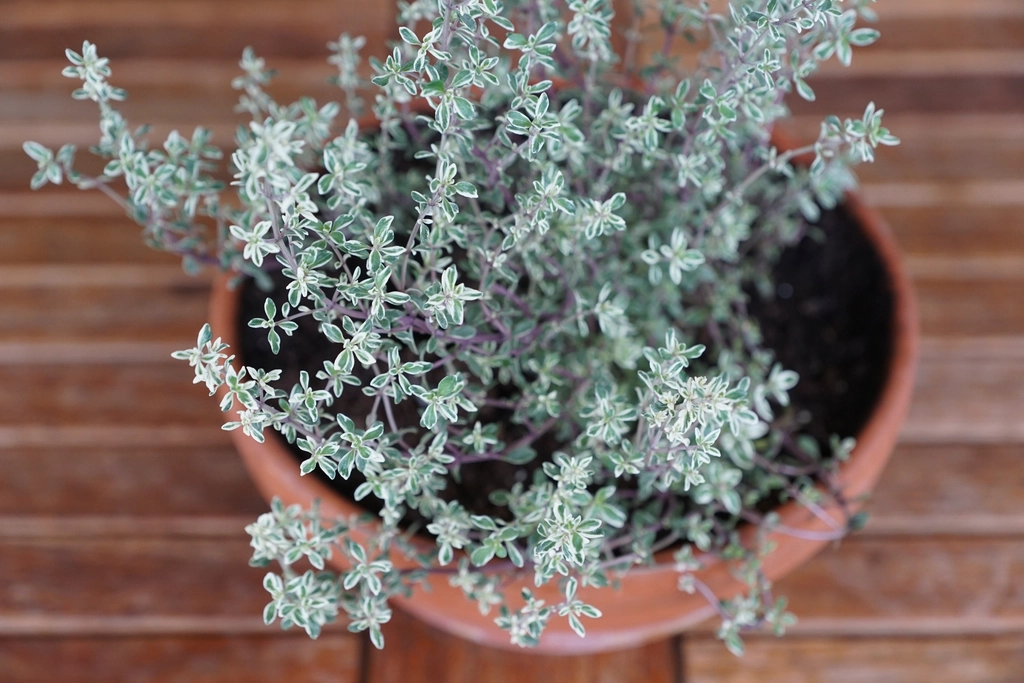
If chamomile has a reputation, it’s as the tea you drink to wind down before bed. That reputation is earned, but this daisy-like flower — used since ancient Egyptian and Greek times — has a much broader resume than sleep support alone.
A Gentle but Potent Flower
Chamomile flowers contain a range of antioxidant compounds, most notably apigenin, a flavonoid that’s been the focus of much of the research into chamomile’s calming effects. The flowers also contain small amounts of essential oils that give chamomile tea its distinct, apple-like aroma.
What Chamomile Is Good For
- Sleep and Relaxation: Apigenin binds to certain receptors in the brain that may help reduce anxiety and promote sleepiness, which is the basis for chamomile’s reputation as a bedtime tea.
- Digestive Comfort: Chamomile has traditionally been used to ease indigestion, gas, and stomach cramps, and some studies suggest it may help calm the digestive tract.
- Skin Soothing: Chamomile’s anti-inflammatory properties make it a common ingredient in creams and washes for irritated skin, minor wounds, and eczema flare-ups.
- Menstrual Comfort: Some research suggests chamomile tea may help ease menstrual cramping, likely due to its mild antispasmodic effects.
- Immune Support: Chamomile has mild antimicrobial properties and has traditionally been used in gargles and rinses to soothe sore throats and minor mouth irritation.

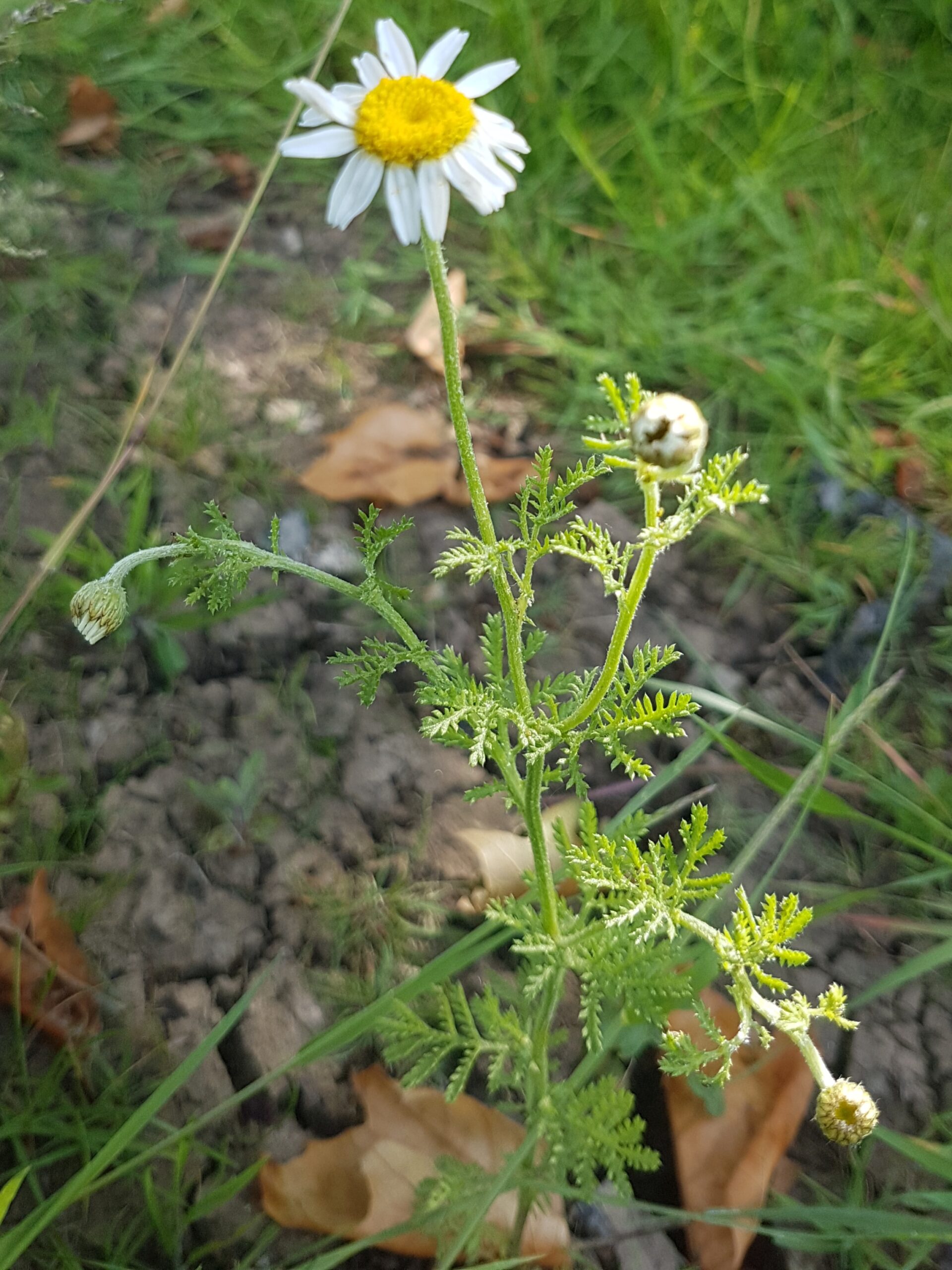
Simple ways to use chamomile:
- Classic Tea: Steep dried chamomile flowers in hot water for 5–10 minutes for a calming tea, best enjoyed in the evening.
- Compress: Cooled, steeped chamomile tea bags can be used as a compress for tired eyes or minor skin irritation.
- Bath Soak: Add strong chamomile tea to a warm bath for a relaxing, skin-soothing soak.
- Gargle: A cooled chamomile tea makes a gentle gargle for a scratchy or sore throat.
Important Precautions
Chamomile is generally well-tolerated, but it belongs to the ragweed family, so people with allergies to ragweed, daisies, or marigolds should use caution, as cross-reactivity is possible. Chamomile may also have a mild blood-thinning effect, so it should be used cautiously alongside blood-thinning medications or before surgery. As with any herbal remedy, check with a healthcare provider if you’re pregnant, nursing, or taking medication regularly.