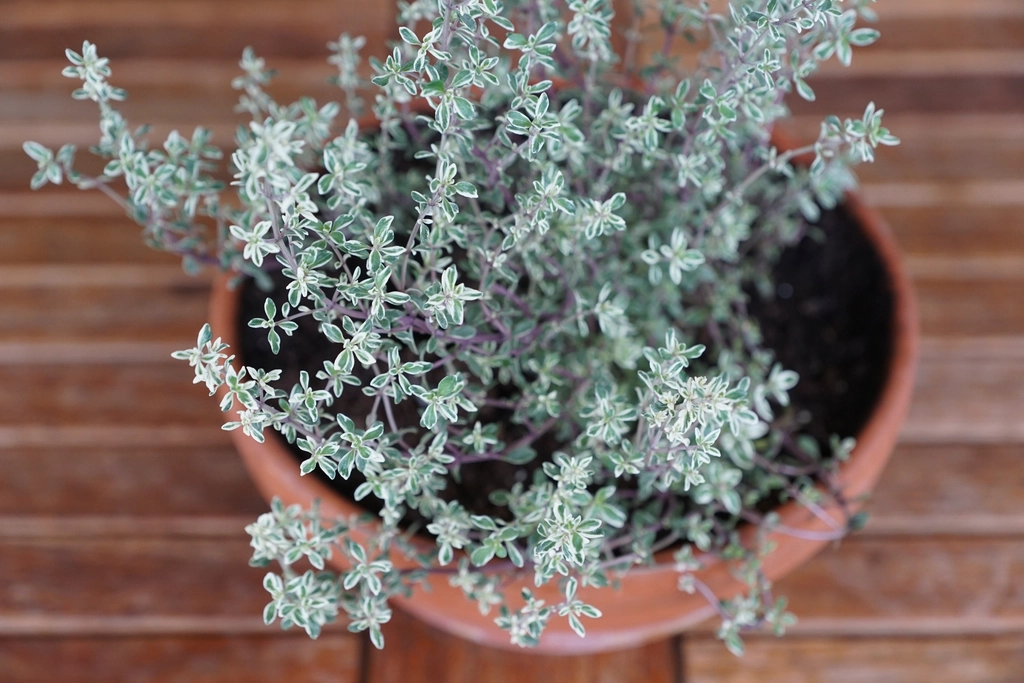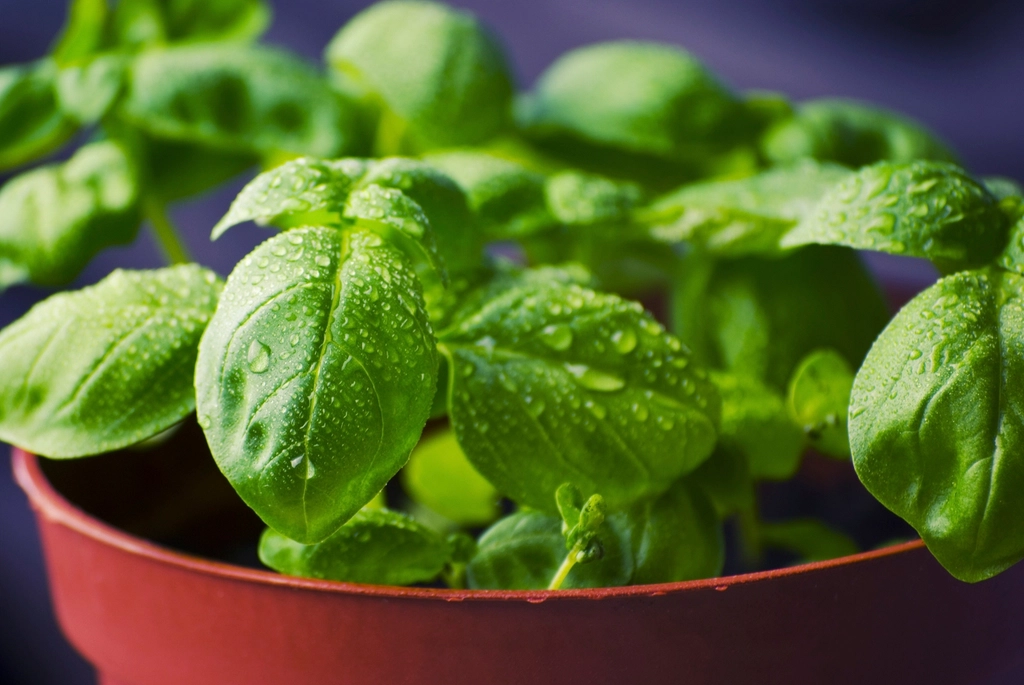
Peppermint’s cool, sharp flavor makes it an easy shorthand for “fresh” — it shows up in gum, toothpaste, and holiday candy canes. But this hybrid mint (a natural cross between watermint and spearmint) has a long history as a digestive remedy, and modern research is only adding to the list of reasons to keep it on hand.
What’s Inside Peppermint
Peppermint leaves are low in calories and contain small amounts of vitamin A, iron, and manganese. Their standout compound, though, is menthol — the essential oil responsible for peppermint’s cooling sensation and much of its therapeutic reputation.
Where Peppermint Earns Its Reputation
- Digestive Relief: Peppermint oil is one of the more well-studied natural remedies for irritable bowel syndrome (IBS), with research showing it can relax intestinal muscles and ease cramping and bloating.
- Headache Relief: Diluted peppermint oil applied to the temples has been shown in some studies to ease tension headaches, likely due to its cooling and muscle-relaxing effects.
- Respiratory Support: Menthol vapor is a common ingredient in chest rubs and inhalants because it can help open airways and ease the feeling of congestion.
- Nausea Relief: Peppermint tea or aromatherapy is a traditional remedy for nausea, including motion sickness and postoperative nausea in some clinical settings.
- Oral Health: Peppermint’s antibacterial properties are part of why it’s such a common toothpaste and mouthwash ingredient — it freshens breath while helping fight bacteria.
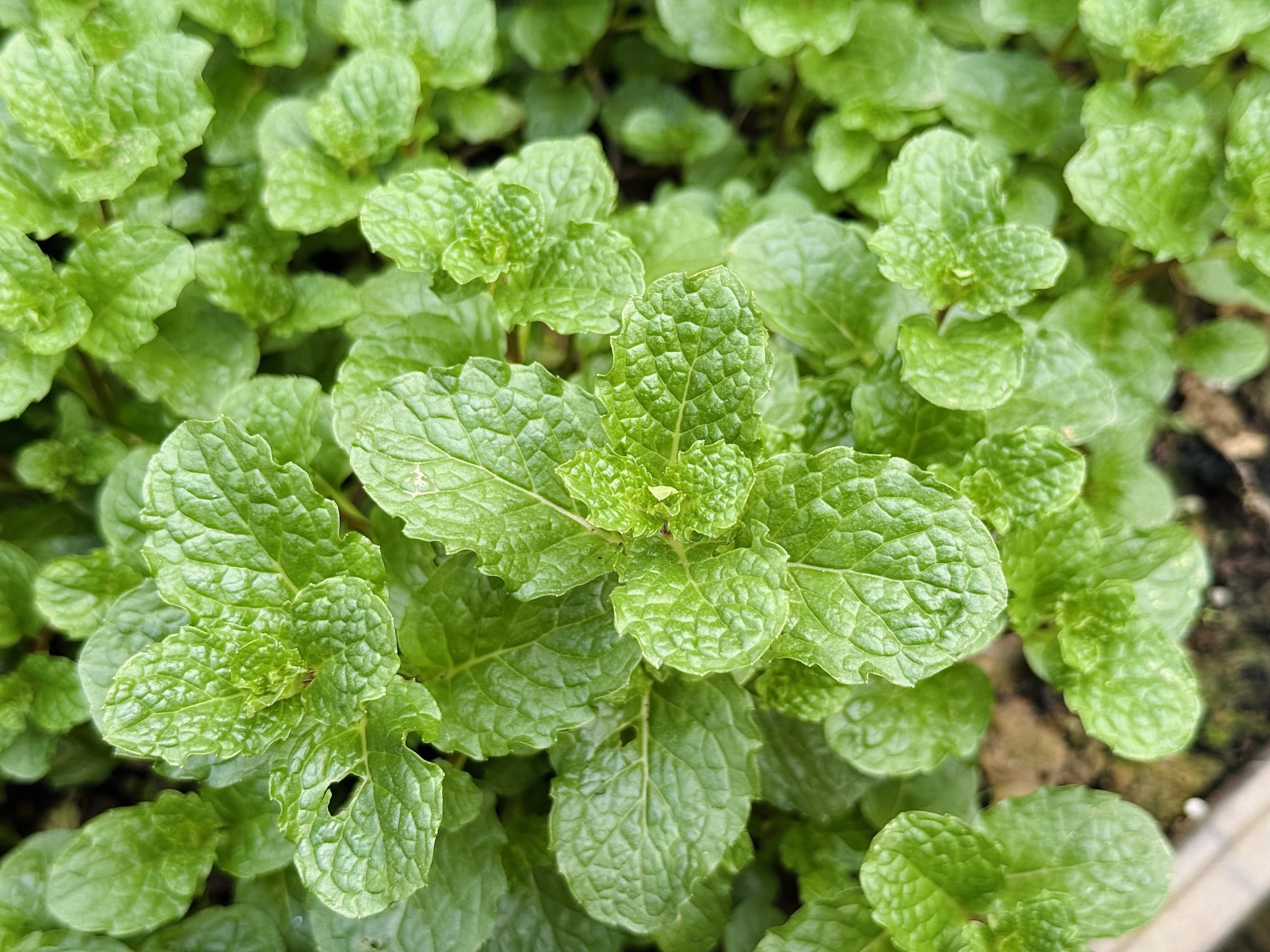
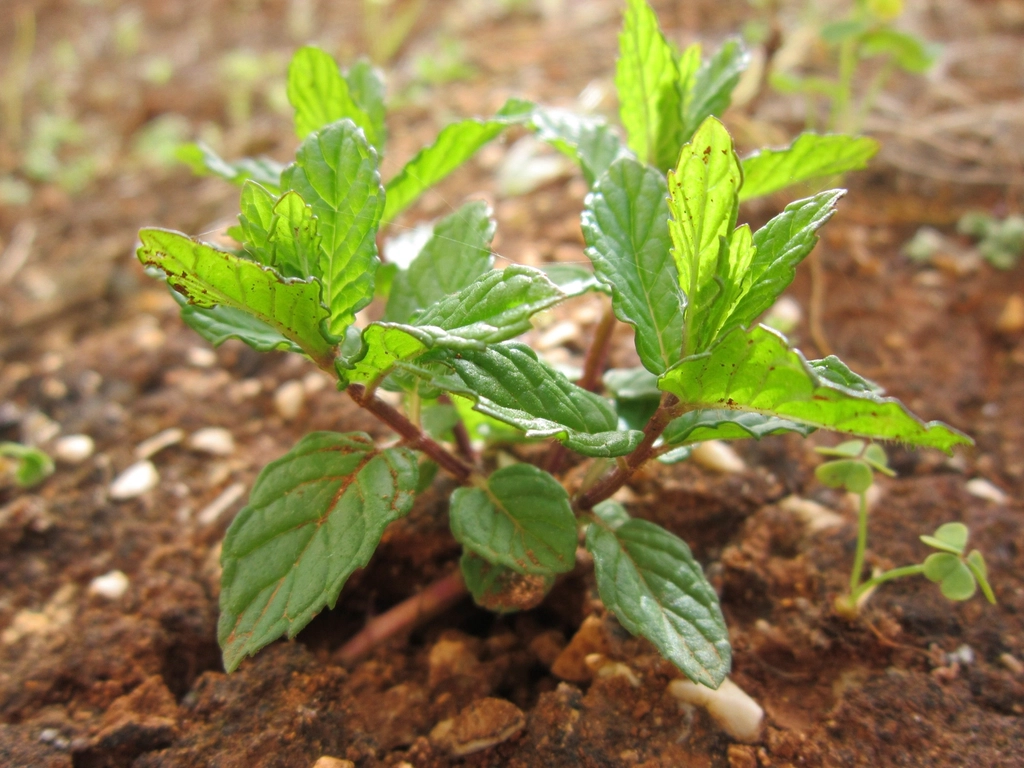
Ways to use peppermint:
- Peppermint Tea: Steep fresh or dried leaves for a caffeine-free tea that’s especially soothing after a big meal.
- Cooking and Baking: Fresh peppermint brightens salads, fruit dishes, and desserts, and pairs surprisingly well with chocolate and citrus.
- Diluted Essential Oil: A drop of peppermint oil diluted in a carrier oil can be massaged onto the temples for headache relief or onto the chest for a cooling, congestion-easing rub.
- Iced Infusions: Muddle fresh peppermint into water or iced tea for a refreshing, naturally flavored drink.
Important Precautions
Peppermint tea and culinary use are safe for most people, but peppermint oil should never be given to infants or young children, as menthol can trigger dangerous breathing spasms. People with GERD or acid reflux should also use caution, since peppermint can relax the esophageal sphincter and worsen symptoms. Concentrated peppermint oil should always be diluted before skin contact, and anyone on medication should check with a doctor before using peppermint supplements regularly.