Rosemary is often reached for on autopilot — a sprig tossed into a roast, a garnish on a potato dish — but this hardy Mediterranean shrub has a reputation stretching back thousands of years, from ancient scholars who wore rosemary wreaths to sharpen their thinking to modern labs studying its effect on memory and mood.
A Concentrated Dose of Plant Compounds
Rosemary is low in calories but dense in beneficial compounds. It’s a good source of iron, calcium, and vitamin B6, and it’s especially rich in antioxidants like rosmarinic acid and carnosic acid, which help protect cells from oxidative stress. Just a tablespoon of dried rosemary contributes a meaningful amount of these compounds to a dish.
Benefits Beyond the Roast Pan
- Memory and Focus: Rosemary is one of the most studied herbs for cognitive function — its aroma alone has been linked in small studies to improved memory and alertness, and researchers believe compounds like 1,8-cineole may play a role.
- Circulation Support: Traditional use of rosemary includes stimulating blood flow, which may explain its long history as a topical treatment for scalp and hair health.
- Anti-Inflammatory Effects: The antioxidants in rosemary may help reduce inflammation markers in the body, though most evidence so far comes from animal and lab studies.
- Digestive Aid: Rosemary has traditionally been used to ease bloating and support digestion after a heavy meal.
- Mood Support: Some research suggests rosemary’s scent may help lower cortisol and ease feelings of anxiety, similar to aromatherapy with lavender.
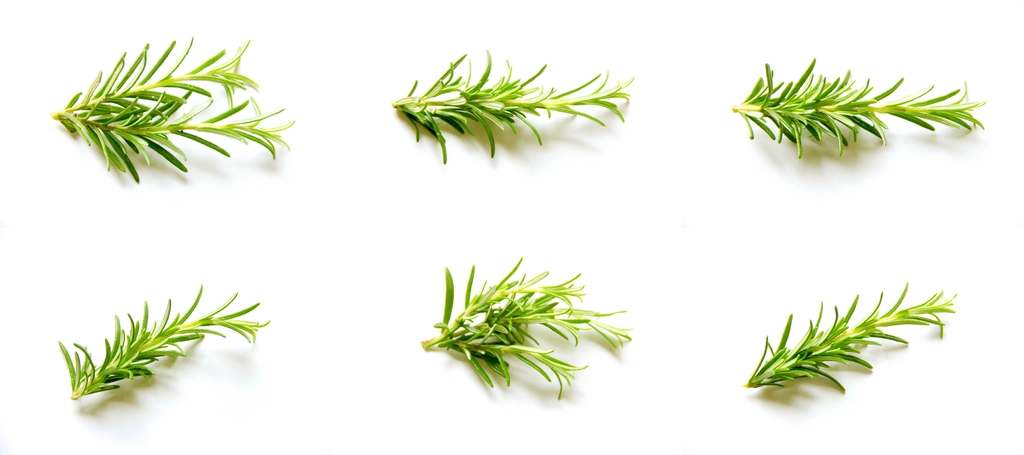

Here’s how to bring more rosemary into your routine:
- Roasting Companion: Fresh or dried rosemary pairs beautifully with potatoes, roasted vegetables, lamb, and chicken — add it early in cooking so its oils have time to infuse.
- Infused Oil: Warm rosemary sprigs in olive oil for a fragrant finishing oil for bread or roasted dishes.
- Rosemary Tea: Steep fresh or dried leaves in hot water for a bracing, herbal tea traditionally used to support digestion and focus.
- Hair Rinse: A cooled rosemary tea can be used as a final hair rinse, a traditional remedy believed to support scalp circulation.
Important Precautions
Rosemary is safe in normal culinary amounts, but concentrated rosemary supplements or essential oil should be avoided during pregnancy, as they may stimulate uterine contractions. High doses can also interact with blood thinners, diuretics, and medications for blood pressure or diabetes. As always, talk to a healthcare provider before using rosemary medicinally, especially if you take prescription medication.